- Subject : Computer
- Topic: Search Engine
- Duration: 45min
- previous Knowledge: Student should be familair with the use of interent in their every day life
-
Objective: At the end of this lesson student should be able to
- Identify search Engines
- Analyise specific use of search engine
- justify the advantage and disadvantage of search Engines
- Resource Materials:
Search Engine
A search engine is a software application or online service that allows users to search and retrieve information from the World Wide Web or other digital sources. Search engines are designed to help users find relevant and useful content based on their queries or keywords.
How does a search Engine work
- Crawling: Search engines use automated programs called web crawlers or spiders to browse the internet and index web pages. These crawlers follow links from one page to another, collecting information about each web page they encounter.
- Indexing: The data collected by the web crawlers is then processed and organized in a vast database known as an index. This index contains information about the content and structure of web pages, which allows search engines to quickly retrieve relevant results when users perform searches.
- Ranking When a user enters a query into a search engine, the search engine's algorithms analyze the index to determine which web pages are most relevant to the query. These algorithms consider various factors, including keyword relevance, page quality, user engagement, and more, to rank the search results.
- Displaying Results: Finally, the search engine displays a list of search results to the user, usually in order of relevance as determined by the ranking algorithms. Users can then click on the search results to access the web pages they are interested in.
Types Of search Engine
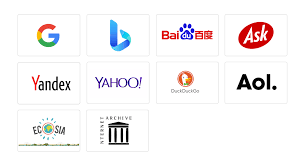
- Google: Google is one of the most widely used search engines globally. It is known for its powerful and sophisticated search algorithms that deliver highly relevant results.
- Bing: Bing is Microsoft's search engine and provides web search results, as well as various other features like image and video searches.
- Yahoo!: Yahoo! Search is another well-known search engine that offers web search services, among other online services.
- DuckDuckGo: DuckDuckGo is a privacy-focused search engine that doesn't track user activity or collect personal information. It aims to provide anonymous and unbiased search results.
- Baidu: Baidu is the dominant search engine in China, offering web search and various other services.
- Yandex: Yandex is a popular search engine in Russia and other Russian-speaking countries, providing web search, maps, and other online services.
- Ecosia: Ecosia is a search engine that uses its ad revenue to plant trees. It positions itself as an eco-friendly alternative to traditional search engines.
- Startpage: Startpage is another privacy-focused search engine that emphasizes user anonymity and does not store personal data.
- Qwant: Qwant is a European search engine that prioritizes user privacy and aims to deliver neutral and unfiltered search results.
- Yippy: Yippy is a metasearch engine that compiles search results from various sources to provide a broad range of results.
Uses of a Search Engine
- Information Retrieval: Search engines help users find information quickly and efficiently on the internet.
- Web Browsing: They assist in exploring websites, articles, images, and more by providing relevant links.
- Research: Search engines are valuable tools for academic and professional research, aiding in the discovery of scholarly articles and resources.
- News and Updates: Users can stay informed about current events, news, and trends by searching for the latest articles and news sources.
- Shopping: Search engines facilitate online shopping by allowing users to search for products, compare prices, and read reviews.
- Maps and Directions: Many search engines offer maps and directions services, helping users find locations and plan routes.
- Entertainment: Users can discover movies, music, games, and other forms of entertainment through search engine results.
- Local Services: Search engines provide information about local businesses, restaurants, and services, including reviews and contact details.
- Language Translation: Some search engines offer translation services, enabling users to translate text or web pages into different languages.
- Image and Video Search: Users can search for images and videos related to specific topics, events, or interests.
- Job Searching: Search engines help job seekers find employment opportunities by indexing job listings from various sources.
- Health Information: Users can access medical information and advice through search engine results, although caution should be exercised for accurate information.
- Social Media: Search engines can lead users to social media profiles, posts, and content related to their interests or queries.
Advantages of internet
- Access to Information: The internet provides easy access to a vast amount of information on various topics.
- Communication: It enables instant communication through email, messaging, and video calls, connecting people globally.
- Online Education: The internet has revolutionized education, making online courses and resources widely available.
- Research and Learning: It is a valuable tool for research, self-learning, and accessing educational materials.
- Entertainment: Users can enjoy a wide range of entertainment, including streaming videos, music, and games.
- Online Shopping: E-commerce platforms allow convenient online shopping and access to a global marketplace.
- Social Networking: Social media platforms enable users to connect, share, and stay updated on social trends.
- Business Opportunities: The internet offers opportunities for online businesses, entrepreneurship, and global market reach.
- Convenience: It provides convenience for tasks like banking, bill payments, and booking services online.
- Remote Work: The internet has facilitated remote work, allowing flexibility in employment.
Disadvantages of internet
- Information Overload: Too much information can be overwhelming and make it challenging to find accurate and relevant content.
- Privacy Concerns: Users' personal data can be at risk due to data breaches and online tracking.
- Security Risks: The internet is susceptible to cyberattacks, viruses, and malware that can compromise security.
- Online Addiction: Excessive internet usage can lead to addiction and have negative effects on mental health.
- Digital Divide: Not everyone has equal access to the internet, leading to a digital divide in education and opportunities.
- False Information: Misinformation and fake news can spread easily, leading to societal issues.
- Online Harassment: Social media platforms can be used for cyberbullying and harassment.
- Loss of Privacy: Users may unknowingly share personal information on social media, impacting privacy.
- Health Concerns: Prolonged screen time and sedentary internet use can lead to health problems.
- Dependency: People may become overly dependent on the internet for daily tasks and social interactions.
Instructional Stragery:
- Step 1: The teacher revises previous topic with the student
- Step 2: The teacher introduces the new topic to the student
- Step 3: The teacher explains the new topic to the student
- Step 4: The teacher welcomes questions from the student and answers them
- Step 5: The teacher askes questions
Summary: The teacher summaries the topic and ensures the student copy their notes correctly
Teaching Materials