- Subject : Computer
- Topic: Search Engine
- Duration: 45min
- previous Knowledge: Student should be familair with the use of digital devices
-
Objective: At the end of this lesson student should be able to
- Identify search Engines
- Analyise specific use of search engine
- justify the advantage and disadvantage of search Engines
- Resource Materials:
Digital Literacy
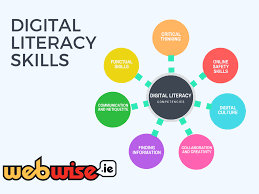
Digital literacy refers to the ability to find, evaluate, use, create, and share information using digital devices and technologies effectively. It encompasses a range of skills and competencies that enable individuals to navigate and participate in the digital world. Digital literacy is essential in today's technology-driven society, as it empowers people to engage with digital information, tools, and platforms for various purposes, including education, communication, work, and daily life.
Characteristics of a Digitally Literate Individual
A digitally literate person possesses a range of skills and competencies in the digital realm. Here are some key characteristics:
- Basic Computer Proficiency: Comfortable with computer operation, including hardware and software.
- Internet Savvy: Understands internet usage, web navigation, and effective online searches.
- Effective Online Communication: Communicates well through digital channels and follows online etiquette.
- Critical Thinking: Evaluates online information for credibility and bias, making informed judgments.
- Cybersecurity Awareness: Recognizes and mitigates online security risks, protecting personal data.
- Digital Content Creation: Can create and edit digital content using various tools and software.
- Privacy Management: Understands online privacy and manages digital identity effectively.
- Information Literacy: Possesses strong research and information retrieval skills for diverse purposes.
- Problem-Solving Skills: Applies digital tools to solve technological and real-world challenges.
- Adaptability: Embraces new digital technologies and stays updated with evolving tools.
- Digital Citizenship: Practices ethical and responsible behavior online, respecting others' digital rights.
- Continuous Learning: Committed to lifelong learning to keep pace with technological advancements.
- Empowerment: Leverages digital skills for personal, educational, and professional growth.
Uses of Digital Literacy
Digital literacy skills have a wide range of applications in today's digital age. Here are some key uses:
- Education: Digital literacy is essential for students to access online learning resources, research, and collaborate on assignments.
- Workplace: Many jobs require digital skills, from using office software to managing online communication and data analysis.
- Communication: Digital literacy enables effective communication through email, messaging apps, and social media platforms.
- Information Access: It helps individuals find, evaluate, and use information from the internet for various purposes, including research and decision-making.
- Cybersecurity: Understanding digital security is crucial to protect personal data and guard against online threats.
- Content Creation: Digital literacy supports content creation, including writing, graphic design, video editing, and web development.
- Online Shopping: It facilitates online shopping, allowing consumers to browse, compare, and make purchases on e-commerce platforms.
- Entertainment: Digital literacy enables individuals to access and enjoy digital entertainment, such as streaming music and videos.
- Healthcare: Accessing health information online and using telehealth services require digital literacy skills.
- Government Services: Many government services and transactions are now available online, requiring digital proficiency.
- Social Engagement: Participating in online communities, forums, and social networks is a common use of digital skills.
- Financial Management: Digital literacy supports online banking, budgeting, and financial planning.
- Job Opportunities: Digital skills enhance employability and open doors to a wide range of careers in technology and beyond.
- Entrepreneurship: Digital literacy is essential for starting and running online businesses and e-commerce ventures.
- Lifelong Learning: It enables individuals to continue learning and stay updated with technological advancements throughout their lives.
Instructional Stragery:
- Step 1: The teacher revises previous topic with the student
- Step 2: The teacher introduces the new topic to the student
- Step 3: The teacher explains the new topic to the student
- Step 4: The teacher welcomes questions from the student and answers them
- Step 5: The teacher askes questions
Summary: The teacher summaries the topic and ensures the student copy their notes correctly
Teaching Materials