- Subject : Computer
- Topic: Search Engine
- Duration: 45min
- previous Knowledge: Student should be familair with the absence of digital devices in their enviroment
-
Objective: At the end of this lesson student should be able to
- Identify search Engines
- Analyise specific use of search engine
- justify the advantage and disadvantage of search Engines
- Resource Materials:
Digital Divide
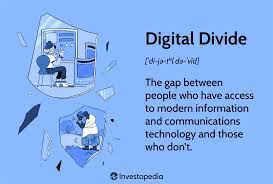
The digital divide is a socio-economic and technological disparity that exists between individuals and communities with varying levels of access to and proficiency in using digital technologies, particularly the internet. It encompasses differences in access to computers, mobile devices, broadband internet, and digital literacy. This divide has profound implications for education, employment, healthcare, civic participation, and overall societal progress.
Reasons for the Digital Divide
- Economic Disparities: Lower income individuals and households can't afford technology and internet access.
- Geographical Location: Rural and remote areas often lack broadband infrastructure.
- Lack of Infrastructure: Inadequate physical infrastructure limits internet availability.
- Digital Literacy: Lack of digital skills hinders effective technology use.
- Age: Older individuals may struggle with technology adoption.
- Educational Disparities: Schools with limited tech access affect students.
- Cultural and Language Barriers: Limited content in regional languages.
- Government Policies: Regulations can impact internet access.
- Availability of Content: Lack of relevant content discourages use.
- Disabilities: Accessibility issues affect those with disabilities.
- Gender Disparities: Gender inequalities in tech access.
- Social and Cultural Norms: Influence over tech access in communities.
- Digital Redlining: Discriminatory internet access practices.
Bridging the Digital Divide
- Infrastructure Development: Expand broadband access to underserved areas and invest in digital infrastructure.
- Digital Literacy Programs: Offer training and education to empower individuals with essential digital skills.
- Affordable Internet Plans: Provide subsidized or low-cost internet options for low-income households.
- Community Centers: Establish centers with internet access and resources in underserved communities.
- Public-Private Partnerships: Collaborate with governments, businesses, and nonprofits to address the divide collectively.
- Educational Initiatives: Ensure schools have access to technology and integrate digital learning into curricula.
- Government Policies: Create policies that promote digital inclusion and reduce regulatory barriers.
- Content Localization: Develop and provide content in regional languages to make the internet more relevant.
- Accessibility Standards: Enforce web accessibility standards to accommodate individuals with disabilities.
- Gender Equality Initiatives: Promote gender equality in tech access and education.
- Awareness Campaigns: Raise awareness about the importance of digital inclusion and available resources.
- Support for Underserved Groups: Targeted support for marginalized communities, including refugees and migrants.
- Research and Data: Continuously assess the digital divide's impact and adjust strategies accordingly.
Bridging the Digital Divide
- Information Retrieval: Search engines help users find information quickly and efficiently on the internet.
- Web Browsing: They assist in exploring websites, articles, images, and more by providing relevant links.
- Research: Search engines are valuable tools for academic and professional research, aiding in the discovery of scholarly articles and resources.
- News and Updates: Users can stay informed about current events, news, and trends by searching for the latest articles and news sources.
- Shopping: Search engines facilitate online shopping by allowing users to search for products, compare prices, and read reviews.
- Maps and Directions: Many search engines offer maps and directions services, helping users find locations and plan routes.
- Entertainment: Users can discover movies, music, games, and other forms of entertainment through search engine results.
- Local Services: Search engines provide information about local businesses, restaurants, and services, including reviews and contact details.
- Language Translation: Some search engines offer translation services, enabling users to translate text or web pages into different languages.
- Image and Video Search: Users can search for images and videos related to specific topics, events, or interests.
- Job Searching: Search engines help job seekers find employment opportunities by indexing job listings from various sources.
- Health Information: Users can access medical information and advice through search engine results, although caution should be exercised for accurate information.
- Social Media: Search engines can lead users to social media profiles, posts, and content related to their interests or queries.
Overcoming the Digital Divide
- Infrastructure Development: Expand broadband access to underserved areas, including rural regions.
- Digital Literacy Programs: Offer digital skills training for all age groups to enhance technology proficiency.
- Affordable Internet Access: Promote affordable internet plans and subsidies for low-income individuals and families.
- Community Technology Centers: Establish community centers with free or low-cost internet access and educational resources.
- Public-Private Partnerships: Collaborate with businesses, governments, and nonprofits to fund and implement digital inclusion initiatives.
- Educational Integration: Incorporate digital literacy into school curricula, ensuring students have access to technology.
- Government Policies: Develop and enforce policies that promote digital equity and remove regulatory barriers.
- Content Localization: Create and provide online content in local languages and dialects to cater to diverse communities.
- Accessibility Standards: Implement and enforce web accessibility standards to ensure digital content is inclusive for individuals with disabilities.
- Gender Equality Initiatives: Empower women and girls with digital skills and opportunities to bridge gender disparities.
- Community Engagement: Involve local communities in planning and implementing digital inclusion programs.
- Support for Vulnerable Groups: Tailor assistance for vulnerable populations, including refugees, seniors, and people with limited mobility.
- Research and Assessment: Continuously monitor the digital divide's impact and adjust strategies based on data and feedback.
- Global Cooperation: Collaborate internationally to share best practices and resources for addressing the digital divide on a global scale.
The Old Economy
Limitations of the Old Economy
The traditional or old economy had several limitations that became more apparent with the advent of the new economy. Here are some key drawbacks:
- Slow Innovation: Traditional industries often had slower innovation cycles, making it challenging to adapt to changing consumer preferences and technological advancements.
- Local Market Dependency: Businesses in the old economy were heavily reliant on local markets, limiting growth opportunities beyond regional boundaries.
- Geographic Constraints: Physical businesses were constrained by geography, making it difficult to reach customers in distant locations.
- High Operating Costs: Operating brick-and-mortar stores and factories incurred significant costs in terms of rent, utilities, and maintenance.
- Limited Customer Reach: Reaching a broad customer base required substantial marketing efforts, often involving traditional advertising channels.
- Manual Labor Dependence: Many jobs in traditional industries required manual labor, leading to issues related to labor costs and workplace safety.
- Environmental Impact: Some traditional industries had negative environmental impacts due to resource consumption and pollution.
- Information Accessibility: Access to information was limited, primarily relying on printed materials and traditional media.
- Long Decision-Making Processes: Decision-making in old economy businesses often involved hierarchical structures and lengthy processes.
- Lower Product Variety: Limited by physical production constraints, traditional industries often offered fewer product variations.
Features of the Old Economy
- Traditional Industries: The old economy was based on traditional industries such as agriculture, manufacturing, and mining.
- Physical Goods: It revolved around the production and sale of physical goods like cars, textiles, and food products.
- Local and National Markets: Businesses primarily focused on local and national markets, with limited global reach.
- Manual Labor: Jobs often required manual labor and were less reliant on technology and automation.
- Brick-and-Mortar Stores: Retail stores were physical, and customers had to visit in person to make purchases.
- Limited Information Access: Information was mainly obtained from books, newspapers, and television.
- Longer Business Cycles: Business processes, production, and decision-making often took longer to complete.
The New Economy
Benefits of the New Economy
The new economy, driven by digital technologies and innovation, offers numerous advantages over the traditional or old economy. Here are some key benefits:
- Rapid Innovation: The new economy allows for rapid development and adoption of innovative products and services, keeping businesses competitive.
- Global Market Reach: Digital platforms enable businesses to reach customers worldwide, expanding market opportunities beyond local boundaries.
- Cost Efficiency: Operating in the digital space often leads to reduced costs, including lower overhead and marketing expenses.
- Scalability: Digital businesses can scale quickly, accommodating growth without the need for extensive physical infrastructure.
- Remote Work: The new economy supports remote work arrangements, offering flexibility for employees and businesses.
- Automation: Automation and artificial intelligence improve efficiency and productivity in various industries.
- E-commerce: Online shopping and e-commerce platforms provide convenient and accessible retail experiences for consumers.
- Access to Information: The internet provides instant access to vast amounts of information, supporting research and learning.
- Short Decision-Making Cycles: Digital processes and data analytics enable faster decision-making, enhancing agility.
- Environmental Sustainability: Some new economy practices, such as remote work and digital communication, reduce carbon footprints and environmental impact.
- Diverse Revenue Streams: Digital businesses can diversify income sources, including subscriptions, advertising, and data monetization.
- Personalization: Digital platforms allow for personalized experiences, tailoring content and services to individual preferences.
Features of the New Economy
- Digital Industries: The new economy is centered on digital industries like technology, software, and e-commerce.
- Digital Products and Services: It focuses on digital products (e.g., software, apps) and online services (e.g., cloud computing, streaming).
- Global Markets: Businesses in the new economy can operate on a global scale, reaching customers worldwide.
- Technology and Automation: Automation and technology are key drivers, and many jobs require digital skills.
- E-commerce and Online Shopping: Online shopping is common, and e-commerce has transformed retail.
- Instant Information Access: The internet provides instant access to vast amounts of information and knowledge.
- Shorter Business Cycles: Digital processes enable faster decision-making, production, and innovation.
Instructional Stragery:
- Step 1: The teacher revises previous topic with the student
- Step 2: The teacher introduces the new topic to the student
- Step 3: The teacher explains the new topic to the student
- Step 4: The teacher welcomes questions from the student and answers them
- Step 5: The teacher askes questions
Summary: The teacher summaries the topic and ensures the student copy their notes correctly
Teaching Materials