- Subject : Computer
- Topic: Hardware
- Duration: 45min
- previous Knowledge: Student should be familair with the computer system in their enviroment
-
Objective: At the end of this lesson student should be able to
- Identify
- Analyise specific use of search engine
- justify the advantage and disadvantage of search Engines
- Resource Materials:
Hardware
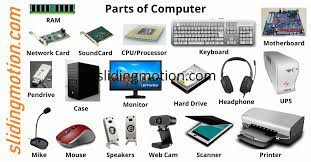
Hardware refers to the physical components of a computer system. It encompasses a wide range of devices and parts that work together to enable a computer to function. Here are key points about computer hardware:
- Central Processing Unit (CPU): The CPU is the brain of the computer, responsible for executing instructions and performing calculations. It interprets and carries out instructions from software programs.
- Memory (RAM): RAM (Random Access Memory) is a type of volatile memory that stores data that the CPU is currently using. It provides fast access to data and is essential for smooth multitasking.
- Storage Devices: Storage devices, such as hard drives and solid-state drives (SSDs), store data and software. Hard drives offer high-capacity storage, while SSDs provide faster data access.
- Input/Output (I/O) Devices: These include peripherals like keyboards, mice, monitors, printers, and external devices that allow users to input information and receive output from the computer.
- Motherboard: The motherboard is the main circuit board that connects and controls all the hardware components. It contains the CPU socket, memory slots, and connectors for other components.
- Graphics Processing Unit (GPU): The GPU is responsible for rendering graphics and images. It's crucial for gaming, video editing, and graphics-intensive tasks.
- Power Supply Unit (PSU): The PSU provides electrical power to the computer. It converts AC power from an outlet into DC power that the components can use.
- Expansion Cards: These cards can be added to the motherboard to enhance functionality, such as sound cards, network cards, and graphics cards.
Computer hardware components work together to process data and run software applications, making them essential for the functionality of modern computers.
Instructional Stragery:
- Step 1: The teacher revises previous topic with the student
- Step 2: The teacher introduces the new topic to the student
- Step 3: The teacher explains the new topic to the student
- Step 4: The teacher welcomes questions from the student and answers them
- Step 5: The teacher askes questions
Summary: The teacher summaries the topic and ensures the student copy their notes correctly
Teaching Materials